What Should You Wear to a Portrait Photoshoot in Austin, TX?
Quick Answer
The best outfits for a portrait or branding photoshoot are solid colors in jewel tones or neutrals, well-fitted layers that add dimension, and pieces that reflect your personality or brand. Avoid busy patterns, large logos, and anything you would not normally wear. Bring two to three outfit changes, coordinate colors without matching exactly, and always prioritize comfort so your confidence shows through in every frame.
If there is one question I get asked more than any other before a session, it is this: “What should I wear?” It is the question that keeps people up the night before their shoot, scrolling through their wardrobe and second-guessing every option. After photographing hundreds of portrait sessions, headshots, and branding shoots in my Austin studio and across the city, I have seen firsthand what works, what falls flat, and what makes the difference between photos you like and photos you absolutely love. Here is everything I tell my clients before they step in front of my camera.
What Colors Photograph Best for Portraits and Headshots?
Color is the single biggest factor in how your photos will feel. The right colors draw attention to your face and eyes, while the wrong ones can wash you out, compete with the background, or make the whole image feel chaotic.
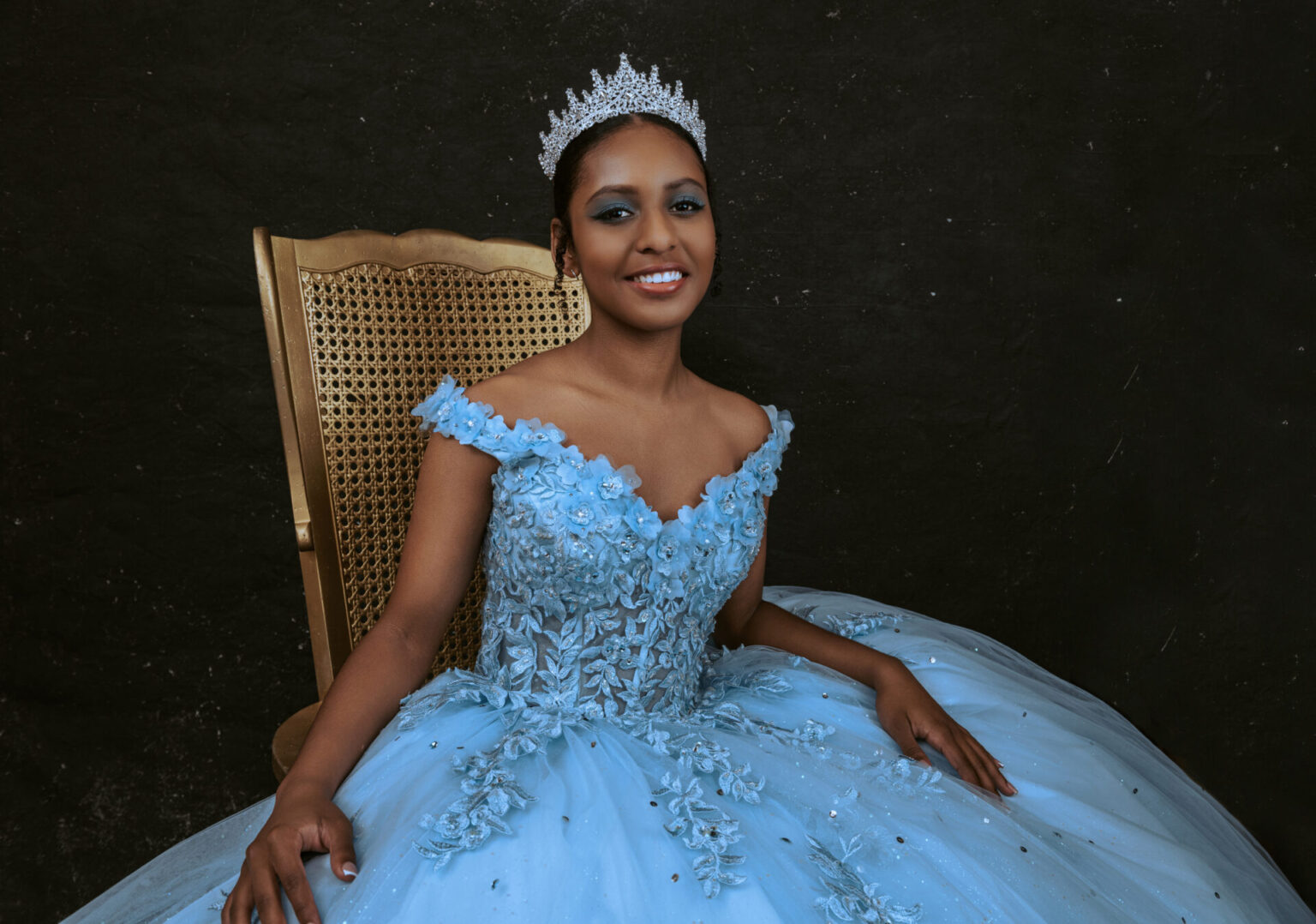
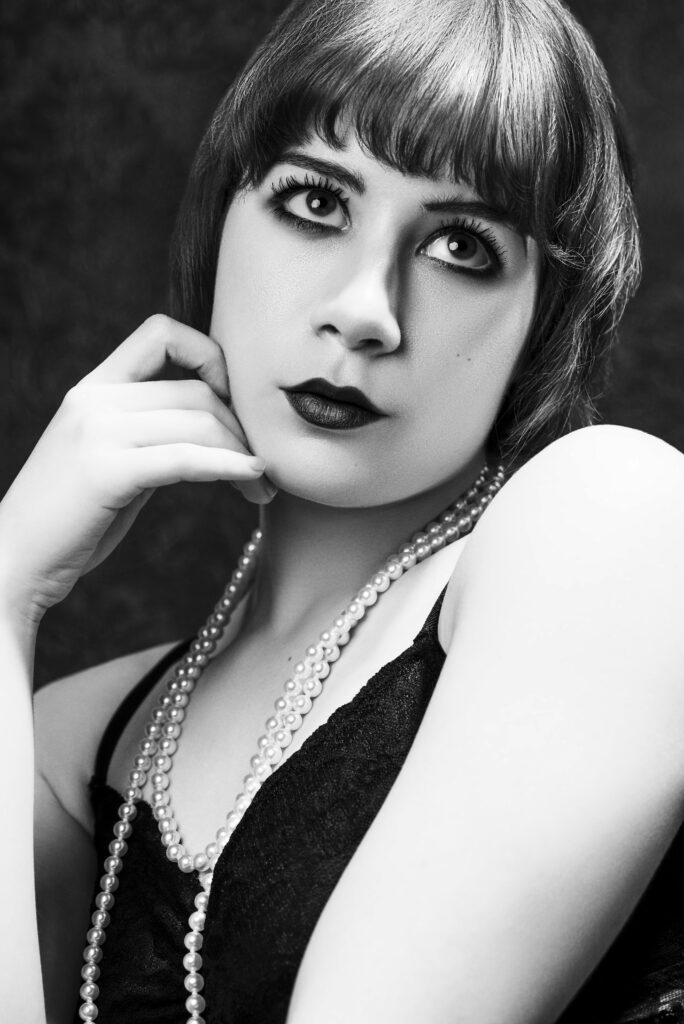
Jewel tones are almost universally flattering. Deep emerald, rich burgundy, sapphire blue, and warm mustard photograph beautifully on nearly every skin tone and look stunning against both studio backdrops and Austin’s natural outdoor settings. These colors are bold enough to create visual interest without overpowering your face.
Neutrals are your safe bet for a timeless, classic look. Cream, camel, soft grey, and navy create a clean aesthetic that ages well and works across any platform. If your brand is minimal and sophisticated, neutrals are your best friend.
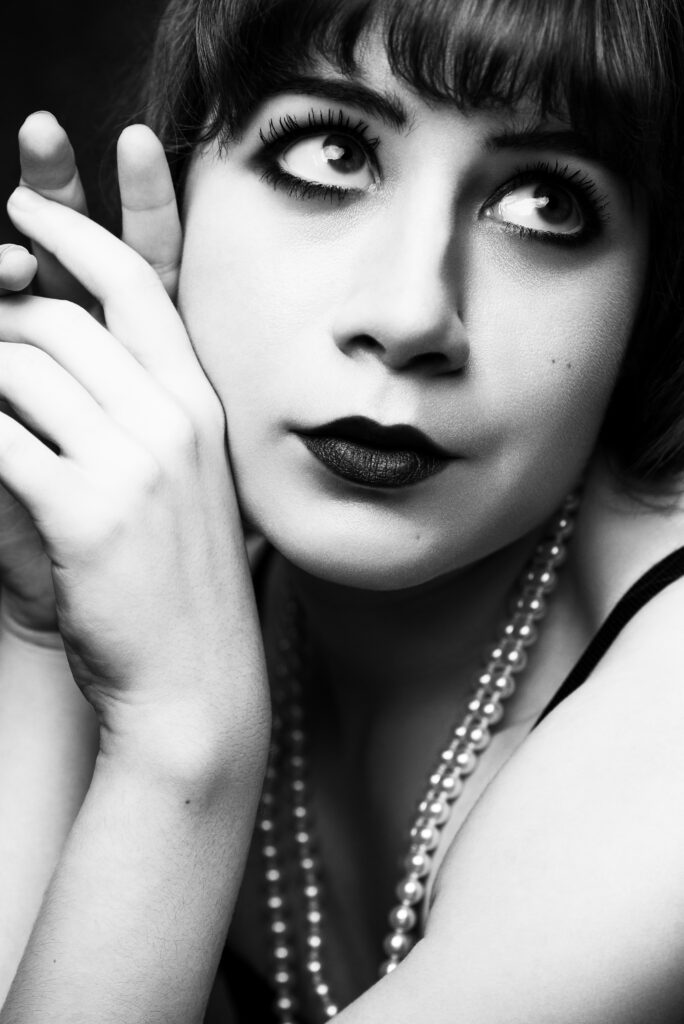
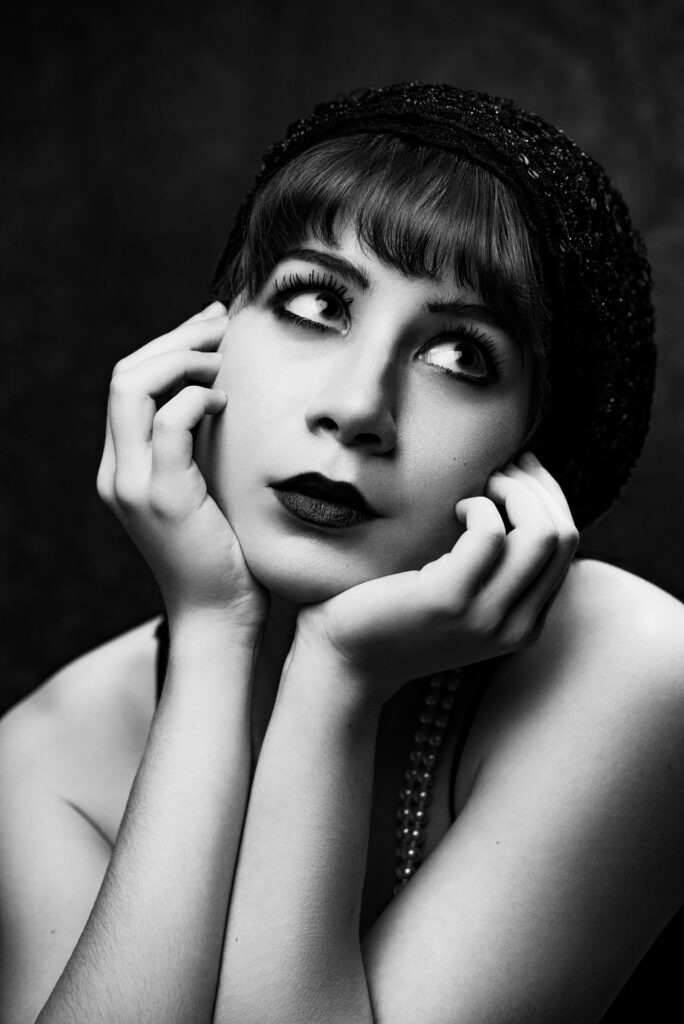
Colors to approach with caution: Bright white can blow out in photos and create harsh reflections under studio lighting. Neon colors pull attention away from your face. All-black can look flat and lose detail, though a black blazer or top paired with a lighter bottom or accessory works well. The key is contrast and balance.
Should You Wear Patterns or Prints to a Photoshoot?
Patterns are one of the trickiest elements to get right in photography. As a general rule, simpler is better. Small, busy patterns like thin stripes, tiny polka dots, and intricate plaids can create a visual effect called moire, where the pattern appears to shimmer or vibrate in the image. This is distracting and nearly impossible to fix in editing.
That said, not all patterns are off limits. Large, bold prints can work beautifully if they suit your personality and brand. A statement floral blouse or a wide-stripe top can add character and energy to lifestyle branding photos. The test is simple: if the pattern draws more attention than your face, it is too much. If it adds personality without stealing the show, it works.
For professional headshots and branding sessions, I generally recommend solid colors for at least one of your outfit changes. This gives you a clean, versatile set of images you can use anywhere, from LinkedIn to your website header.
How Many Outfits Should You Bring to a Portrait Session?
Two to three outfit changes is the sweet spot for most sessions. This gives you enough variety to create a diverse image library without spending your entire session in the changing room. Each outfit should serve a different purpose and create a distinct look.
Here is how I suggest clients plan their outfits:
- Outfit one – your signature look. This is the outfit that feels most like you on your best day. It is the one you would wear to a meeting with your dream client or a speaking engagement. This is usually the outfit we shoot first.
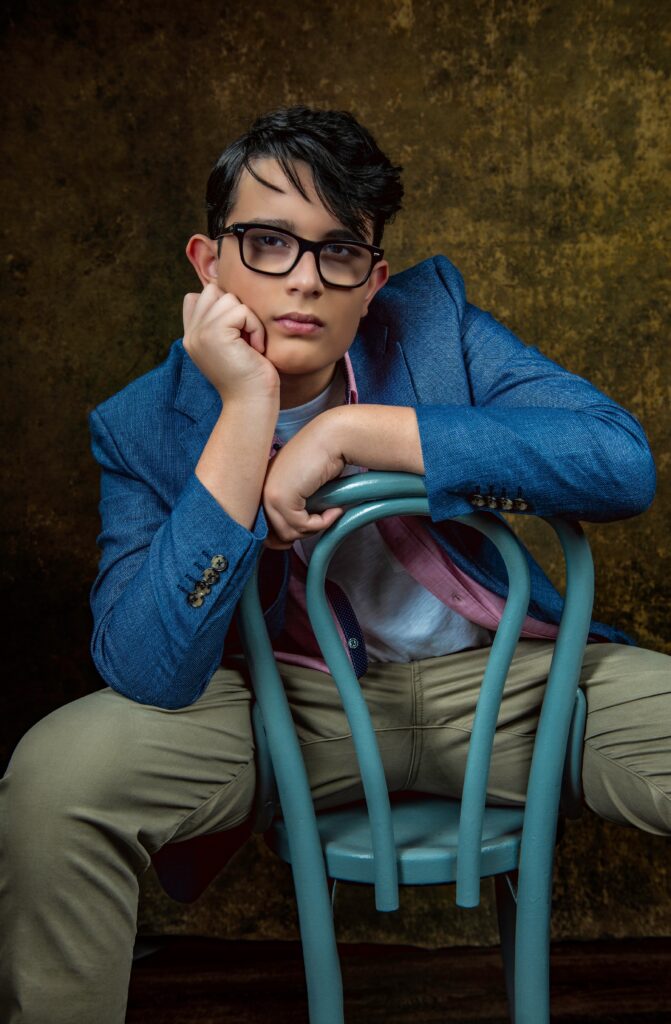
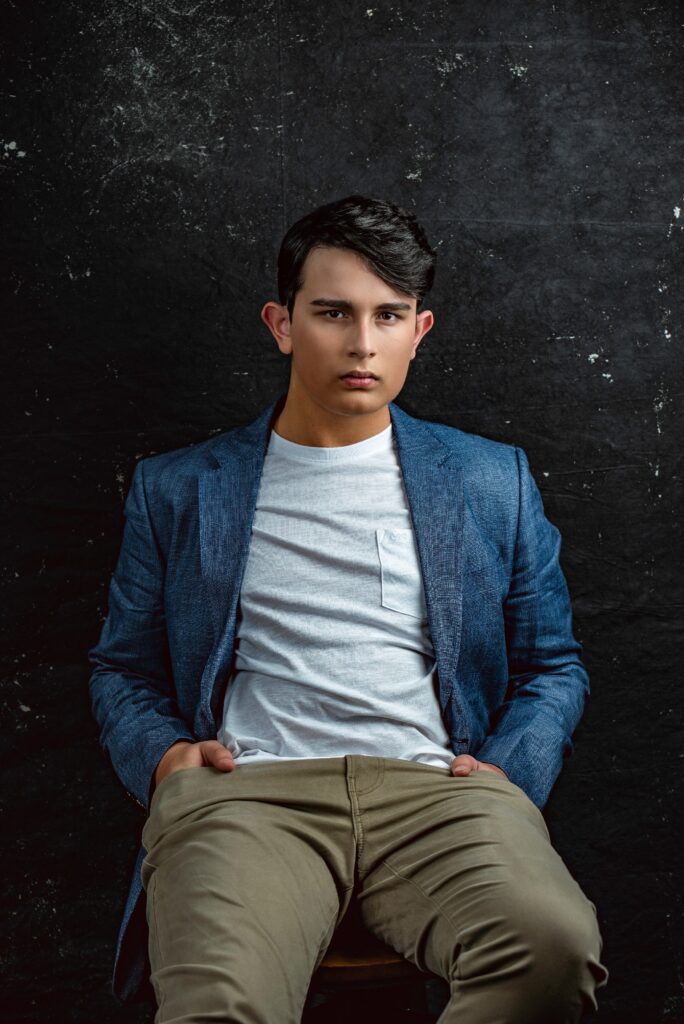
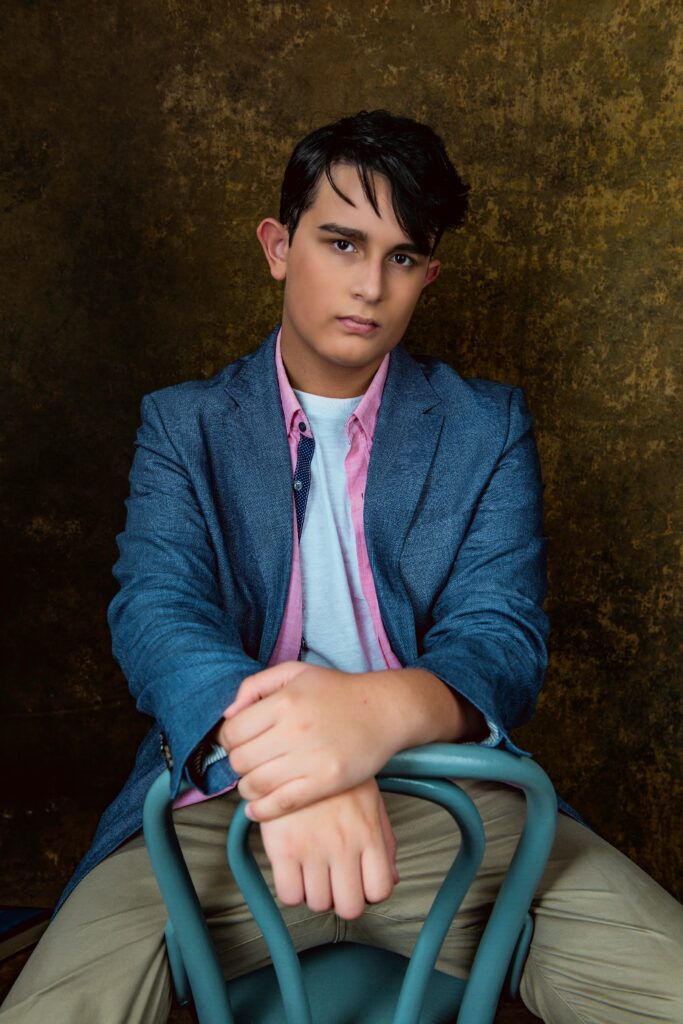
- Outfit two – elevated casual. Think smart-casual. A great pair of jeans with a structured blazer, a relaxed knit with tailored trousers, or a flowing dress that moves well. This creates lifestyle images that feel approachable and real.
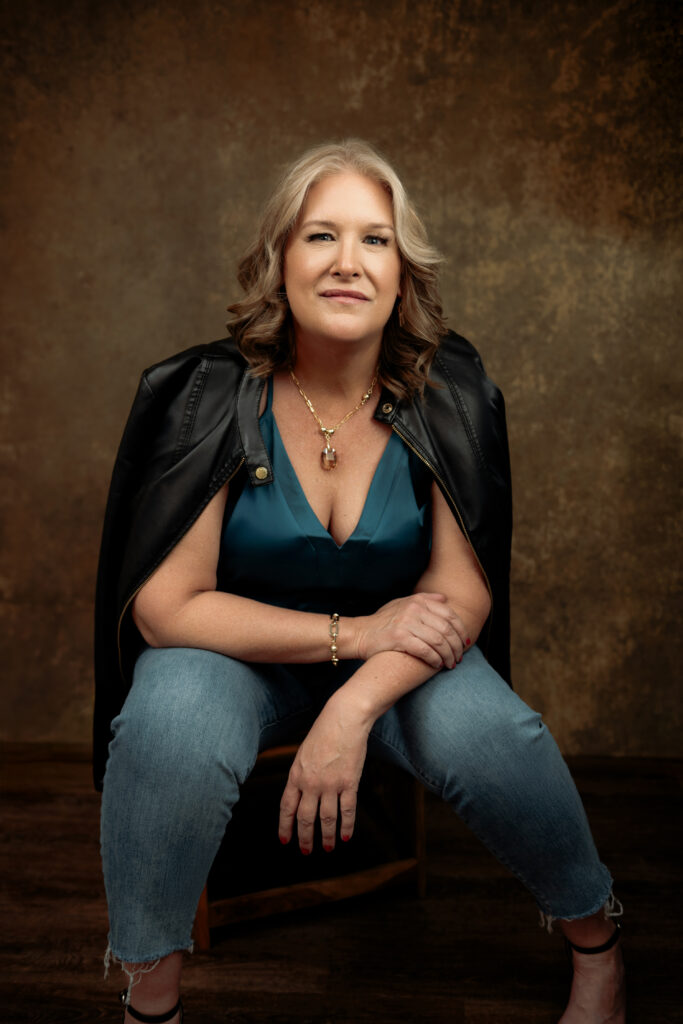
- Outfit three – the wild card. This is where you can have fun. A bold color, a statement accessory, a leather jacket, or something that shows a different side of your personality. These images often become the ones clients love most because they feel unexpected and authentic.
Bring more options than you think you need. It is much easier to edit down than to wish you had packed that one extra top. I always have a full-length mirror in my Austin studio so we can check how everything looks before we start shooting.
What Should You Avoid Wearing to a Photoshoot?
Some clothing choices consistently cause problems in photos. Knowing what to avoid is just as important as knowing what to wear.
- Large logos and brand names. They date your photos instantly and pull focus from your face. Your portrait should be about you, not the brand on your chest.
- Ill-fitting clothes. Clothes that are too tight create unflattering lines and wrinkles. Clothes that are too loose can look sloppy. The fit matters more than the price tag.
- Trendy pieces you will regret in two years. If you are investing in professional photos, you want them to feel current for as long as possible. Classic silhouettes and timeless pieces will serve you far better than whatever is trending on social media this month.
- Wrinkle-prone fabrics. Linen looks beautiful in person but can look messy in photos if it creases during transport. If you love linen, steam it right before the session or change into it on location.
- Anything you have never worn before. A photoshoot is not the time to debut a new look. If you are not comfortable in it, that discomfort will show in your expression and body language. Wear pieces you know and love.
How Should You Style Outfits for Different Types of Sessions?
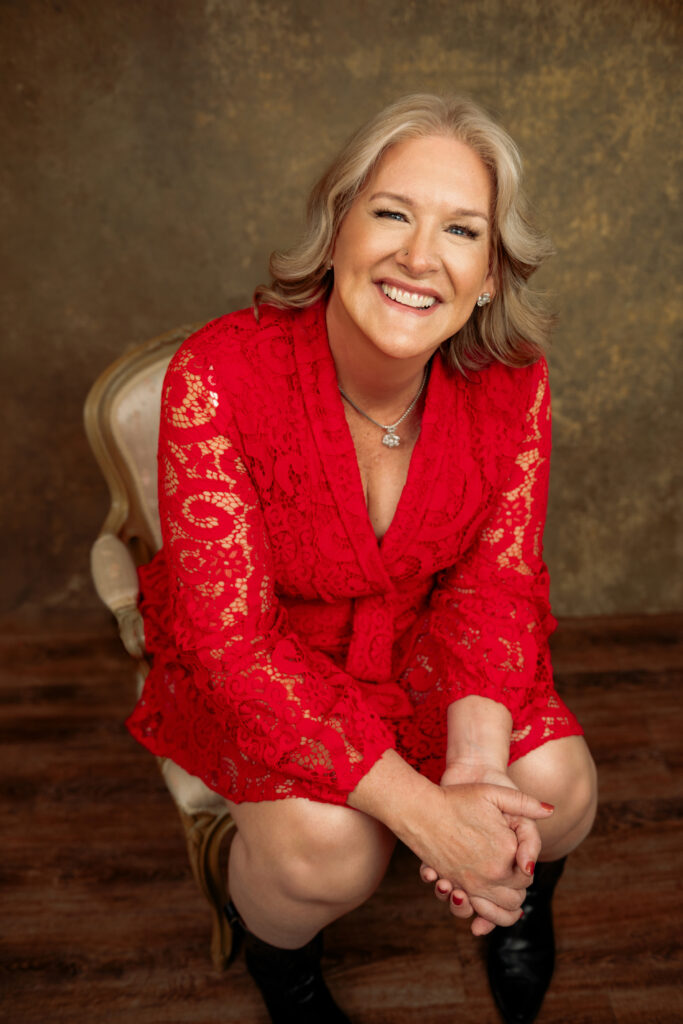
The right outfit depends heavily on the type of session you are booking. What works for a corporate headshot is very different from what works for a boudoir session or a senior portrait. Here is a breakdown by session type.
What Should You Wear for Professional Headshots?
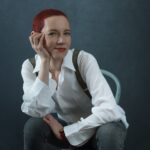
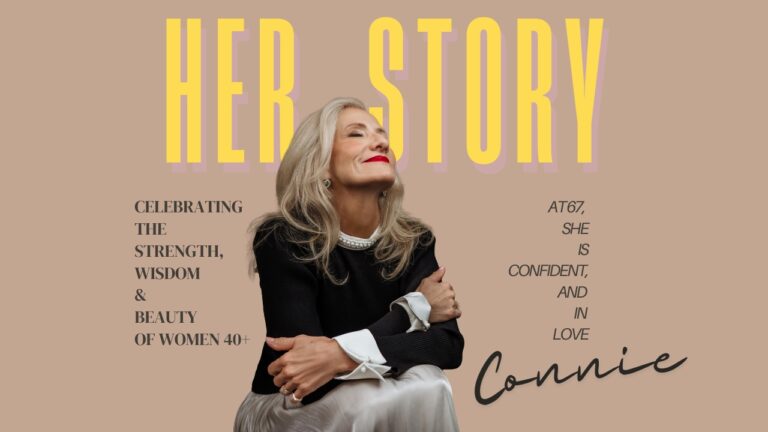
For professional headshots, think polished and intentional. Solid colors in medium tones work best. A well-fitted blazer, a crisp button-down, or a simple structured top creates a clean frame around your face. Avoid anything too casual unless your industry calls for it. In Austin, the dress code tends to be more relaxed than New York or London, so a smart-casual approach often hits the right note. The goal is to look like the best version of your professional self.
What Works Best for Actor Headshots?
Actor headshots follow different rules. Casting directors want to see you, not your wardrobe. Simple, solid-colored tops in muted tones are the standard. Avoid jewelry, scarves, and anything that creates visual noise around your neckline and face. Bring options for different character types you are auditioning for – a casual t-shirt for the “best friend” type, a button-down for the “professional” type, and something edgier if you play villains or action roles. Your clothing should suggest a character without defining it.
How Do You Dress for a Boudoir Session?
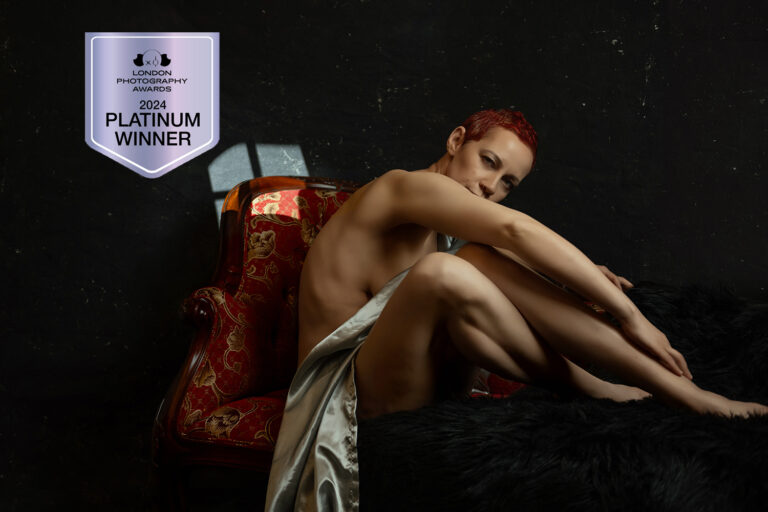
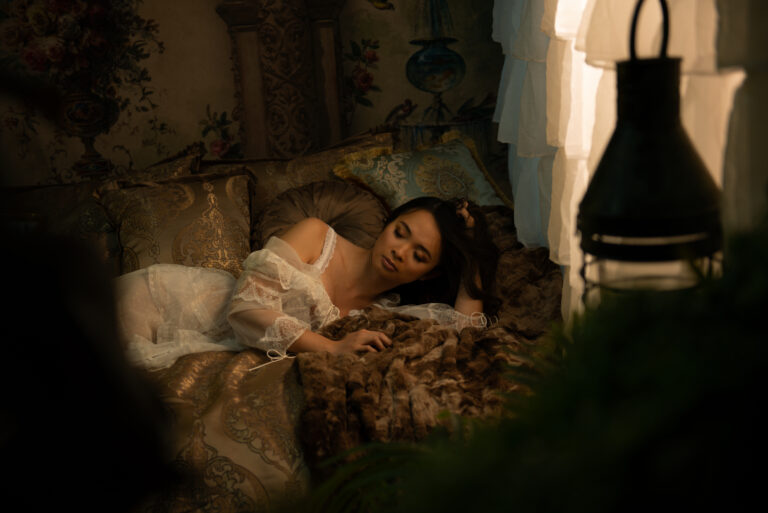
Boudoir is about feeling confident and beautiful in whatever makes you feel most like yourself. That might be elegant lingerie, an oversized sweater that falls off one shoulder, a partner’s dress shirt, or even a favorite pair of jeans with nothing else. There are no rules here except this: wear what makes you feel powerful. I always tell my boudoir clients to bring a mix of options, from structured pieces to something soft and relaxed, so we can find the combination that makes them light up.
What Should Teens Wear for Senior Portraits?
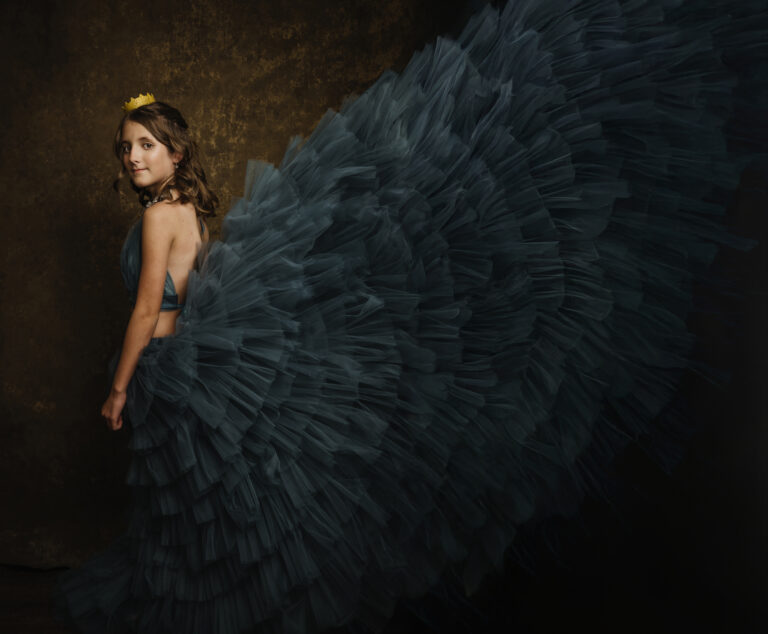
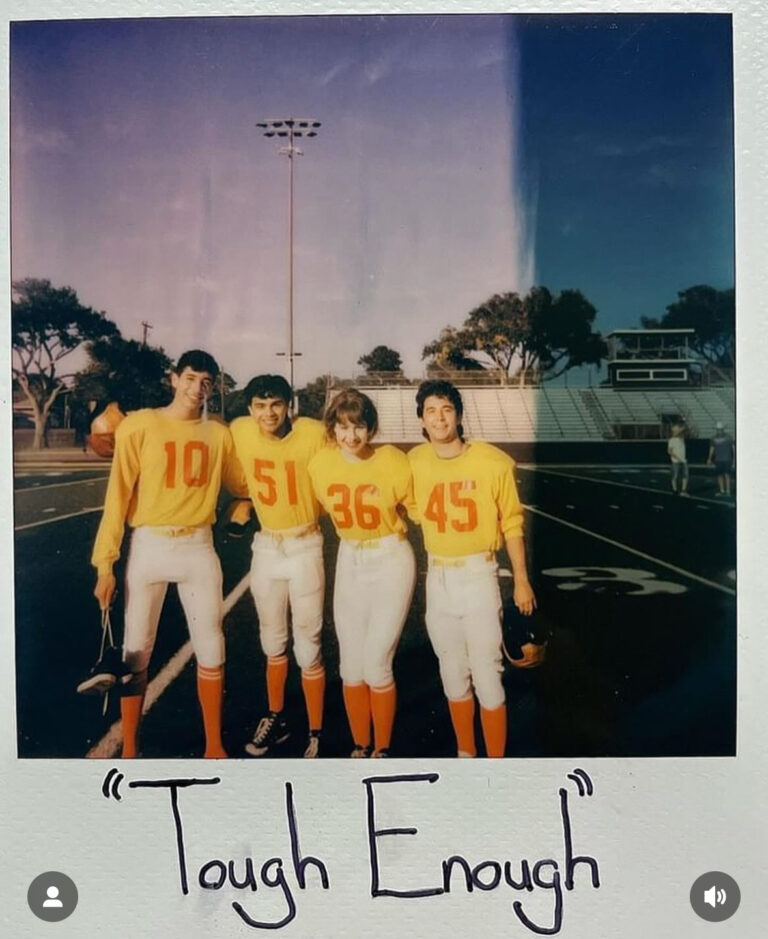
Senior portraits should reflect who you are right now. Bring outfits that show different sides of your personality – your everyday style, something dressy for a more formal look, and something that represents your passions (a team jersey, dance outfit, or band t-shirt). Layers work brilliantly for teens because they create variety within a single outfit. A denim jacket over a dress, a flannel tied around the waist, or a leather jacket over a simple tee can completely change the vibe of a photo.
What About Accessories, Hair, and Makeup?
Accessories, hair, and makeup are the finishing touches that can elevate your photos from good to exceptional. But like everything else, less is usually more.
Accessories: Simple, classic jewelry works best. A delicate necklace, small earrings, or a statement watch can add polish without distraction. Avoid anything that jangles, reflects too much light, or covers your face and neckline. Glasses are absolutely fine if you wear them daily – just make sure the lenses are clean and consider bringing a pair without lenses to avoid glare.
Hair: Get your hair done the way you normally style it, just a little more polished. If you are considering a major haircut or color change, do it at least two weeks before the session so it has time to settle. Bring a few clips and a brush for touch-ups between outfit changes.
Makeup: Professional makeup is always worth the investment for a photoshoot. Camera-ready makeup is applied differently than everyday makeup – it needs to be slightly more defined to translate well on camera. If you prefer to do your own makeup, go a touch heavier than usual on foundation, blush, and eye definition. Matte finishes photograph better than dewy or shimmery finishes, which can create unwanted shine under studio lights.
How Should You Prepare the Night Before Your Photoshoot?
Preparation is everything. The more prepared you are, the more relaxed you will feel on the day, and relaxed clients always produce the best photos. Here is my pre-shoot checklist that I send to every client.
- Steam or iron all outfits. Wrinkles are the number one thing I notice that could have been avoided. Hang everything up the night before.
- Try on every outfit with the shoes and accessories you plan to wear. Check in a full-length mirror. Sit down, stand up, move around. Make sure everything looks good from every angle.
- Get a good night’s sleep. It sounds obvious, but tired eyes show up in photos. Rest makes a visible difference.
- Hydrate. Drink plenty of water the day before and the morning of your session. Hydrated skin photographs better and makeup sits more smoothly.
- Avoid anything new. Do not try a new skincare product, get a facial, or experiment with a new hairstyle the day before. Stick with what you know works for your skin and hair.
- Pack a touch-up kit. Bring blotting papers, lip color, a small mirror, deodorant, and a lint roller. These small things make a big difference during outfit changes.
Ready to Plan Your Session?
The most important thing to remember is that your outfit is a tool, not the star of the show. You are the star. The right clothing simply helps the camera capture the version of you that you want the world to see. Whether you are booking a portrait session, a branding shoot, actor headshots, or a boudoir experience, I am here to guide you through every detail, including what to wear.
Get in touch to book your session or ask any questions about styling. I work with clients across Austin, Round Rock, Cedar Park, Georgetown, Pflugerville, and all of Central Texas. Every booking includes a complimentary style consultation so we can plan your outfits together before the day arrives.
Frequently Asked Questions
Can I wear black to a photoshoot?
Yes, but use it strategically. All-black outfits can lose detail and look flat, especially in studio settings. Pair a black top with lighter bottoms or add a contrasting accessory like a scarf or statement necklace to create depth and dimension in the image.
Should couples coordinate outfits for a photoshoot?
Coordinate, but do not match exactly. Choose a complementary color palette rather than identical outfits. For example, if one person wears a deep blue, the other might wear cream or soft grey. The goal is visual harmony, not uniformity. Stick to similar levels of formality so one person does not look overdressed next to the other.
What if I have no idea what to wear to my photoshoot?
That is completely normal and exactly why I offer a complimentary style consultation before every session. Send me photos of your wardrobe options and I will help you narrow it down based on the session type, location, and the look you are going for. You can also browse Pinterest boards for inspiration and share them with me so I understand your vision.
Do I need to hire a professional makeup artist for my photoshoot?
It is not required, but it is highly recommended, especially for headshots and branding sessions. Professional makeup artists understand how makeup translates on camera and can ensure your look is polished and long-lasting throughout the session. If you prefer to do your own makeup, go slightly heavier than your everyday look and use matte products to reduce shine.
How far in advance should I plan my outfits for a photoshoot?
Start planning at least one to two weeks before your session. This gives you time to try on options, shop for any missing pieces, get items tailored if needed, and arrange hair and makeup appointments. Last-minute outfit decisions almost always lead to stress and second-guessing on the day of the shoot.